
The 2026 FIFA World Cup awakened interest in no North American city more than Mexico City. Tourism to the Mexican capital nearly doubled, and corporate interest in the city as an incentive destination surged as well. We received several requests for incentive proposals from a variety of clients. What follows is an outline of one we recently designed for a Canadian architectural firm.
Arrivals and the Lingering Spirit of the World Cup
Our client, a Canadian architectural firm, selected Mexico City as the destination for its annual incentive program honoring its top-performing professionals. While some members of the group had visited Mexico before, none had experienced its vibrant capital.
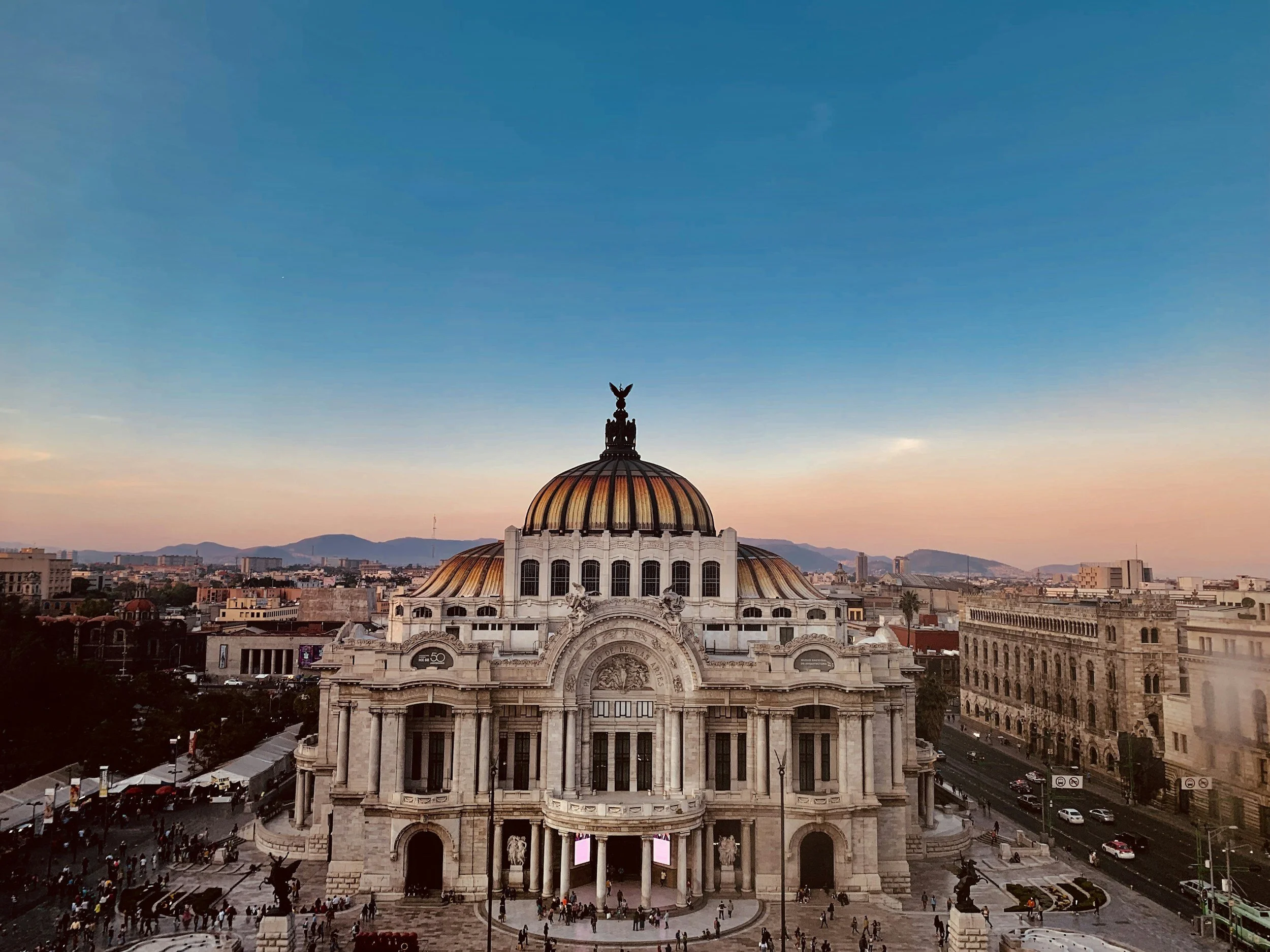
Exploring a metropolis of more than nine million residents can be overwhelming—especially in the wake of the World Cup, when the city was busier than ever with international visitors. One of our primary objectives was to steer the group away from the well-worn tourist trail and instead introduce them to Mexico City's extraordinary architecture, world-class art, and, of course, its unforgettable culinary scene.
After clearing immigration and customs, the group boarded their coach for the first stop of the program. At our client's request—and with World Cup excitement still lingering throughout the city—we visited the legendary Estadio Banorte. Located in the southern borough of Tlalpan, once an independent town before being absorbed into Mexico City's sprawling urban landscape, the stadium hosted more than 87,000 spectators for the opening World Cup match between Mexico and South Africa on June 11, 2026.
From there, it was time for the group's first authentic taste of Mexico. We arrived at the iconic Arroyo Restaurante, a beloved institution since 1940, where an array of traditional regional specialties awaited. To make the welcome even more memorable, we arranged a lively mariachi performance that immediately immersed our guests in the country's rich musical heritage.
Following this spirited introduction to Mexican cuisine and culture, we made our way to the elegant Polanco district for check-in at Casa Polanco. This beautifully restored 19-room mansion—rumored to have originally been intended as an embassy—had been transformed into one of the city's most exclusive boutique hotels. Having secured the entire property exclusively for our guests, it provided the perfect retreat after an eventful first day.
Culture on Steroids
Day Two was devoted to discovering the city's remarkable cultural treasures.
Our morning began in the historic neighborhood of San Ángel, where leafy streets, colorful bougainvillea, and beautifully preserved colonial homes create one of the city's most charming settings. A stop at Le Petit Lola followed, where the group enjoyed freshly brewed coffee alongside torta de milanesa—a Mexican schnitzel sandwich finished with an unexpected but delicious dusting of Cheetos. The bakery has been producing some of Mexico City's finest bread for two generations.
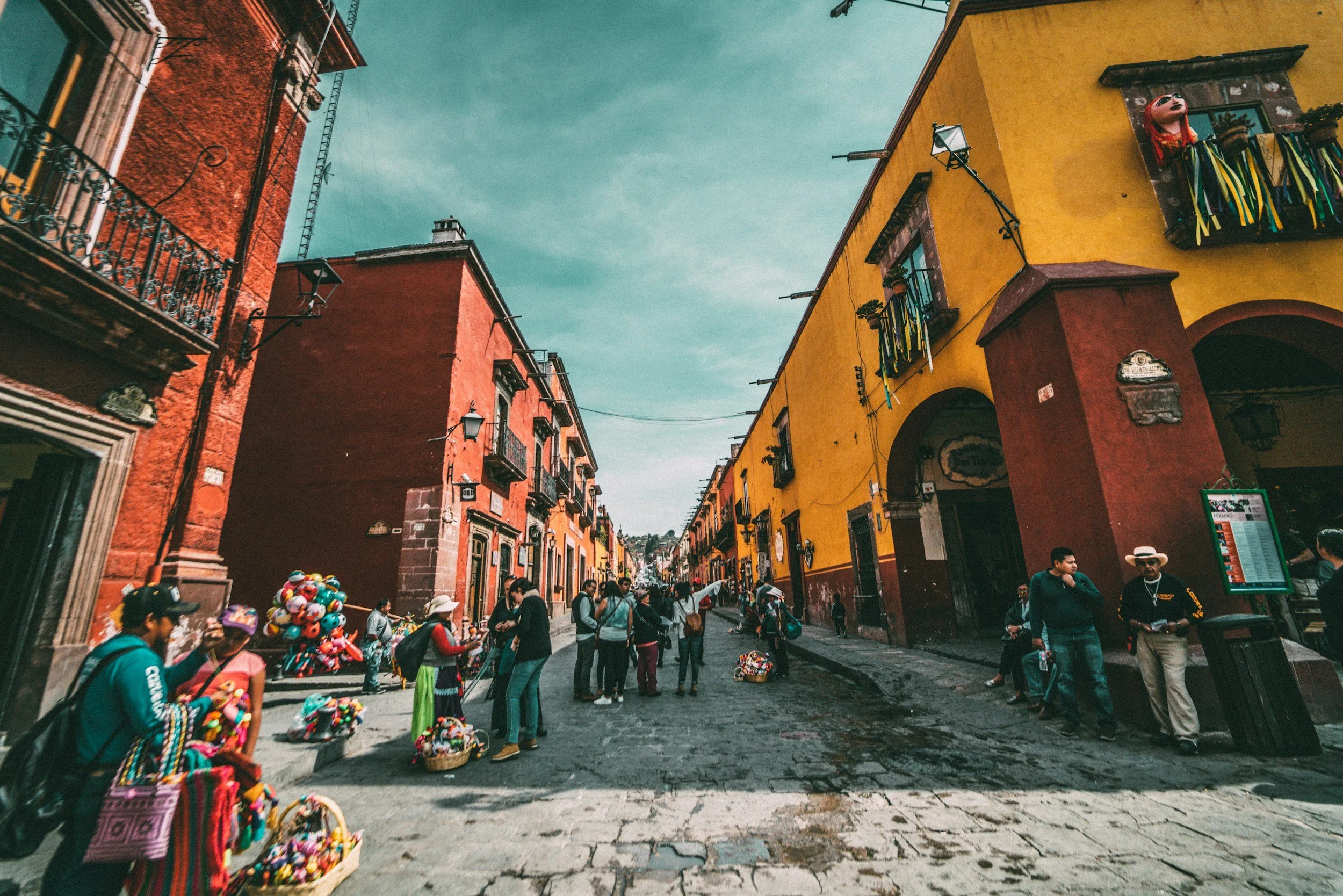
Next came a visit to the home and studio of celebrated Mexican muralist Diego Rivera. Designed in the 1930s by pioneering architect Juan O'Gorman, the striking modernist residence was home to Rivera and his equally legendary wife, Frida Kahlo. After exploring the property, we wandered through El Bazaar Sábado, where local artists and craftspeople showcased jewelry, clothing, paintings, and handcrafted works that reflected the city's thriving creative spirit.
Lunch was served in the lush courtyard of the historic San Ángel Inn, a former hacienda renowned for its refined Mexican cuisine and exceptional margaritas.
The afternoon shifted from colonial elegance to modern creativity as we traveled to Ciudad Universitaria, home of the National Autonomous University of Mexico. Here we explored the University Museum of Contemporary Art, whose collection includes more than 2,100 contemporary works. Just a short distance away, Espacio Escultórico offered one of the city's most fascinating artistic landscapes, where monumental geometric sculptures emerge dramatically from volcanic terrain, creating an almost otherworldly atmosphere.
From there, we continued to Xochimilco, whose ancient canal system stretches across approximately 65 square miles along the southern edge of the city. One of the few remaining remnants of the Aztec-era chinampas—or floating gardens—Xochimilco preserves an important piece of Mexico City's pre-Hispanic heritage. Here, however, history took a festive turn as we climbed aboard a brightly painted trajinera, drifting through the canals to the lively sounds of a mariachi band while embracing one of the city's most joyful traditions.
Dinner that evening was served at Condesa's Caracol de Mar, where imaginative seafood dishes demonstrated once again that Mexico City's exciting culinary scene is matched by equally inspired design.
Architectural Icons
Although the final day arrived all too quickly, there was still much to experience.
No architectural pilgrimage to Mexico City would be complete without visiting the masterpieces of Luis Barragán. His brilliantly colored Casa Gilardi in San Miguel Chapultepec perfectly illustrates his genius for using color, light, and space to create environments that feel almost spiritual in their emotional impact. Barragán remains the only Mexican architect ever awarded the prestigious Pritzker Architecture Prize. Conveniently located within walking distance of one another, both Casa Gilardi and Casa Barragán—each designated a UNESCO World Heritage Site—became essential highlights of the day's program.
Lunch introduced the group to another of the city's exciting new culinary destinations: Cafeteria Ideal, the café created by Egyptian-American food artist Laila Gohar. It served as another reminder that Mexico City's growing international reputation extends far beyond architecture into one of the world's most dynamic food scenes.
The remainder of the afternoon was intentionally left unscheduled, allowing participants to explore at their own pace and discover the city's exceptional boutiques, galleries, and artisan workshops that make its design scene one of the most vibrant anywhere.
To conclude this unforgettable incentive experience, only one final tradition remained—a visit to an authentic cantina. More than simply neighborhood bars, cantinas are beloved social institutions where generations of locals gather over drinks and classic Mexican and Spanish-inspired small plates. For this quintessential Mexico City experience, we chose the celebrated Cantina El Bosque near Chapultepec Park. The house specialty—tacos de lengua y chamorro, prepared with slow-cooked beef tongue and tender pork shank, then topped with diced onions, fresh cilantro, and a squeeze of lime—provided a fittingly adventurous finale to an extraordinary culinary journey.
With that delightfully unconventional ending, the group returned to their elegant mansion for one final evening before departing for home the following morning, carrying with them memories of a city whose architecture, culture, cuisine, and creative energy had exceeded every expectation.
For an incentive trip to an iconic destination with your own flavor, let the professionals at the Maxxus Group curate a memorable program.